


If you’ve been dealing with chronic pain, recovering from an injury, or struggling with muscle tension, you’ve probably heard about medical massage. But how is it different from a regular spa massage? This guide explains what medical massage is, who it’s for, how it works, and what Houston patients should expect before booking an appointment.
What Is Medical Massage?
Medical massage is a targeted treatment designed to address specific health conditions, injuries, or pain points. Unlike relaxation massage, it focuses on improving physical function and reducing symptoms rather than simply helping you unwind.
A medical massage therapist uses evidence-based techniques to work on muscles, connective tissues, and trigger points that contribute to pain or restricted movement.
The treatment is often recommended as part of a broader healthcare or rehabilitation plan.
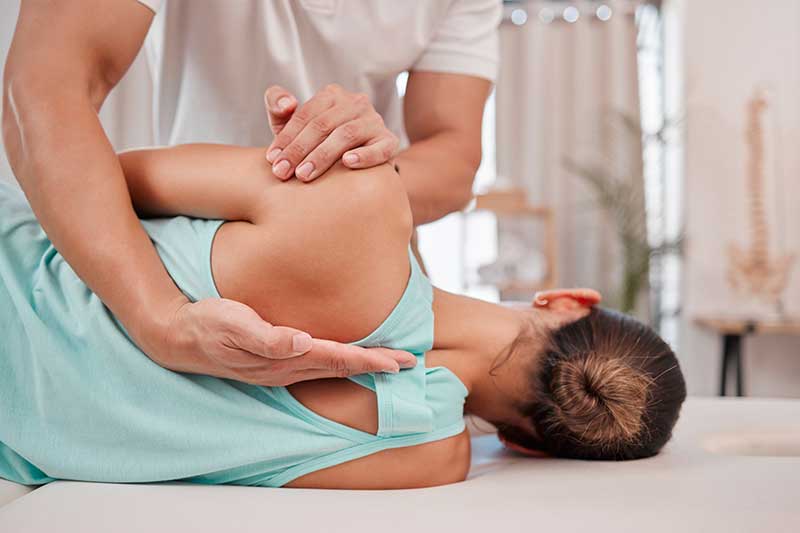
What Conditions Can Medical Massage Help Treat?
Medical massage is commonly used to relieve pain and improve mobility caused by various conditions.
It may help with:
- Chronic neck pain
- Lower back pain
- Shoulder injuries
- Sciatica
- Headaches and migraines
- Sports injuries
- Muscle strains
- Tendon and ligament injuries
- Fibromyalgia
- Postural problems
- Joint stiffness
- Recovery after surgery (when approved by a physician)
Results vary depending on the individual’s condition and treatment plan.
How Does Medical Massage Work?
Medical massage targets the muscles and soft tissues responsible for pain and dysfunction.
Treatment may include techniques such as:
- Trigger point therapy
- Deep tissue massage
- Myofascial release
- Stretching techniques
- Neuromuscular therapy
- Scar tissue mobilization
- Range-of-motion work
The therapist assesses your symptoms and develops a customized treatment rather than following the same routine for every patient.
Medical Massage vs. Regular Massage: What’s the Difference?
| Medical Massage | Regular Massage |
| Treats a specific medical concern | Focuses on relaxation |
| Personalized treatment plan | Standard full-body session |
| Targets painful or injured areas | Works on the entire body |
| Uses therapeutic techniques | Uses soothing massage techniques |
| Goal is pain relief and improved function | Goal is stress reduction and comfort |
| Often part of rehabilitation | Usually, part of wellness or self-care |
Both types of massage have benefits, but they serve different purposes.
Who Is a Good Candidate for Medical Massage?
Medical massage can benefit many people, including those who:
- Experience chronic muscle pain
- Sit for long hours at work
- Recover from sports injuries
- Have repetitive strain injuries
- Live with limited mobility
- Experience tension headaches
- Need rehabilitation support after surgery
- Have muscle tightness caused by poor posture
A consultation helps determine whether medical massage is appropriate for your condition.
What Happens During a Medical Massage Appointment?
Your first appointment usually begins with a health assessment.
The therapist may ask about:
- Your symptoms
- Pain location
- Medical history
- Previous injuries
- Current medications
- Daily activities
- Treatment goals
After the assessment, the therapist performs targeted treatment based on your specific needs.
Unlike a spa massage, the focus remains on problem areas rather than the entire body.
Is Medical Massage Painful?
Not necessarily.
Some techniques involve deeper pressure, especially when releasing tight muscles or trigger points. You may experience mild discomfort during treatment, but it should remain tolerable.
Many patients notice temporary soreness afterward, similar to what you might feel after exercising. This usually improves within one or two days.
Always communicate with your therapist if the pressure feels too intense.
How Many Medical Massage Sessions Will You Need?
The number of sessions depends on factors such as:
- Your condition
- How long you’ve had symptoms
- Severity of pain
- Treatment goals
- Your body’s response
Some patients feel better after just one or two treatments, while chronic conditions often require ongoing sessions for lasting improvement.
Your therapist can recommend a treatment schedule after your evaluation.
What Are the Benefits of Medical Massage?
Medical massage offers more than temporary pain relief.
Potential benefits include:
- Reduced muscle tension
- Improved flexibility
- Better circulation
- Increased range of motion
- Faster injury recovery
- Reduced stress on joints
- Improved posture
- Less muscle stiffness
- Better physical function
- Enhanced overall quality of life
Combining massage with exercise, stretching, and proper medical care often produces the best results.
Are There Any Risks?
Medical massage is generally considered safe when performed by a qualified therapist.
However, it may not be suitable for people with certain conditions, including:
- Active infections
- Blood clotting disorders
- Severe osteoporosis
- Open wounds
- Certain skin conditions
- Recent fractures
- Uncontrolled medical conditions
Always discuss your medical history before beginning treatment.
Why Houston Patients Choose Medical Massage
Houston residents often seek medical massage because of lifestyles that place stress on the body.
Common reasons include:
- Long office hours
- Heavy physical labor
- Sports participation
- Traffic-related back and neck pain
- Recovery after orthopedic procedures
- Chronic pain caused by repetitive movements
Many patients use medical massage alongside physical therapy, chiropractic care, or physician-directed treatment plans to improve recovery.
How to Choose the Right Medical Massage Therapist in Houston
Not every massage therapist specializes in medical massage.
When choosing a provider, look for someone who:
- Has professional massage therapy credentials
- Has experience treating medical conditions
- Performs a detailed assessment
- Creates individualized treatment plans
- Communicates clearly about goals and expectations
- Works with other healthcare providers when appropriate
Choosing an experienced therapist can improve both safety and treatment outcomes.
Frequently Asked Questions
Is medical massage covered by insurance?
Coverage varies depending on your insurance provider, diagnosis, and treatment plan. Contact your insurance company or massage clinic to verify your benefits.
Can I get a medical massage without a doctor’s referral?
In many cases, yes. However, some clinics or insurance plans may require a referral.
Should I wear special clothing?
Comfortable clothing is recommended. Your therapist will explain what to wear based on the treatment area.
Can medical massage replace medical treatment?
No. Medical massage complements healthcare but should not replace diagnosis or treatment from qualified medical professionals.
Final Thoughts
Medical massage is a specialized form of therapy that focuses on relieving pain, restoring movement, and supporting recovery from injuries and chronic conditions. Unlike a traditional relaxation massage, every treatment is tailored to the patient’s specific needs and health goals.
If you’re experiencing ongoing muscle pain, recovering from an injury, or looking for a non-invasive way to improve mobility, medical massage may be a valuable part of your treatment plan. Working with a qualified medical massage therapist in Houston can help you move more comfortably, reduce discomfort, and support your long-term physical wellness.